Emergency Subpanel Replacement After a Burnt Main Breaker
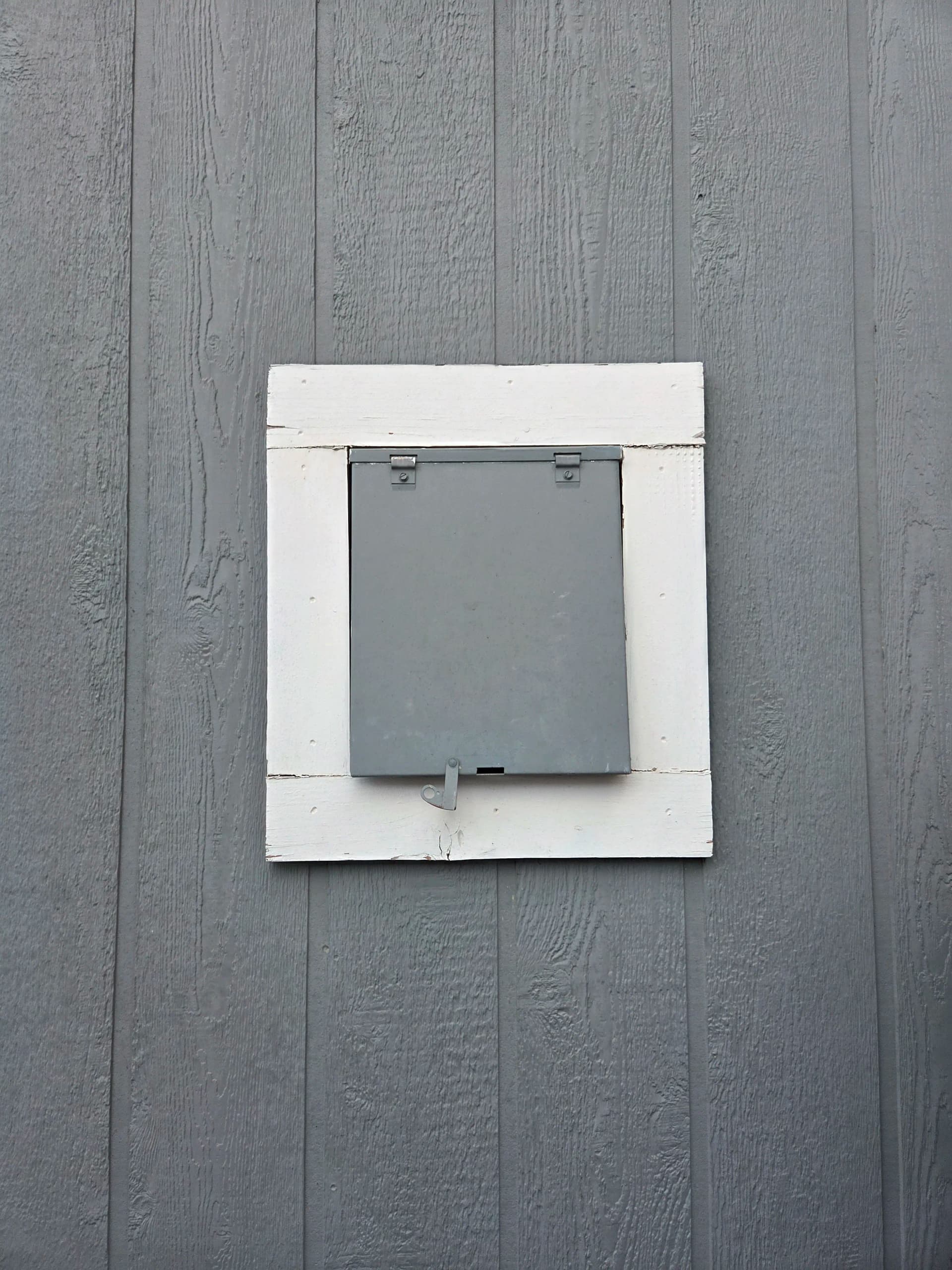
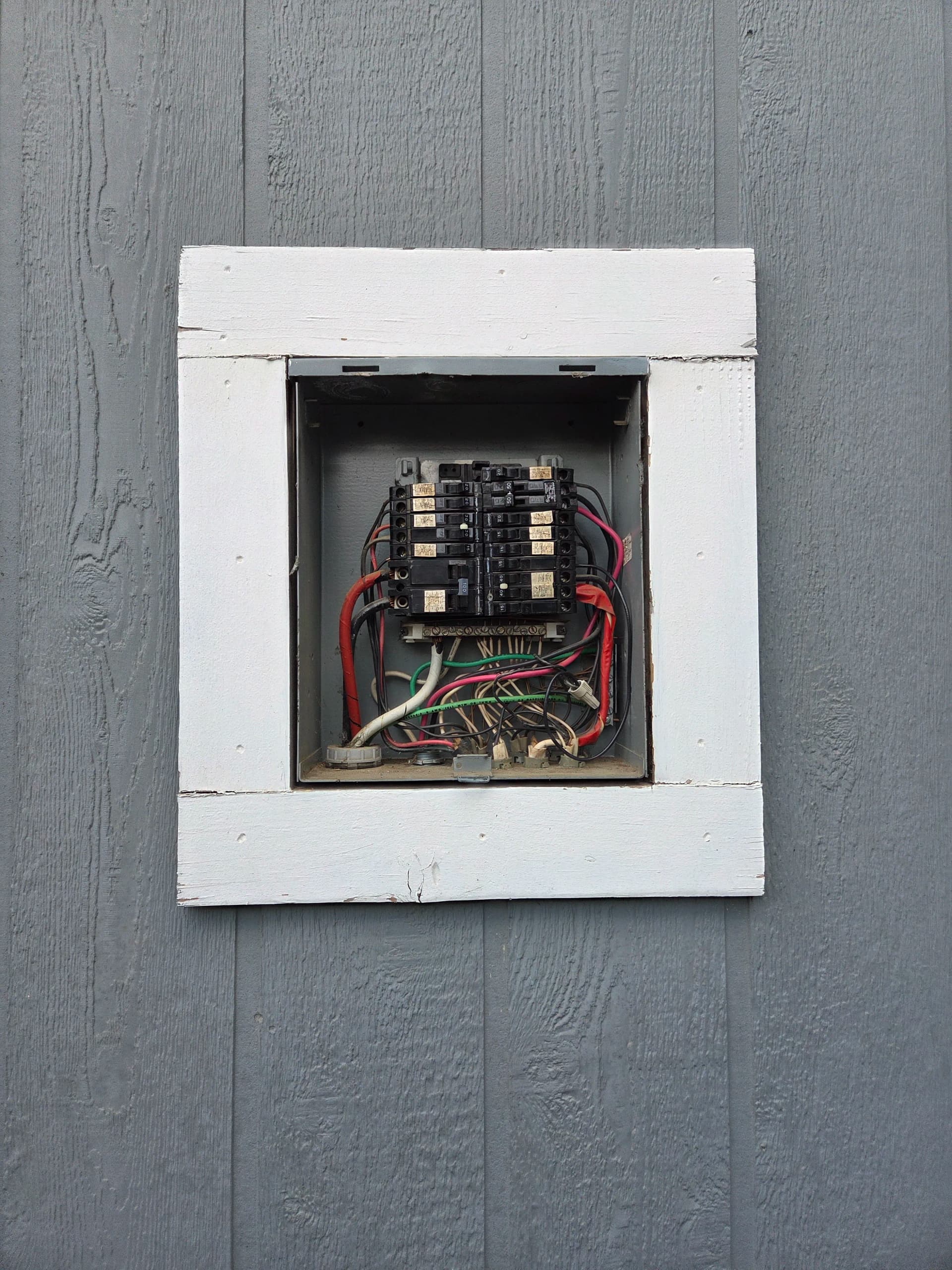
A failed main breaker is not a "wait and see" situation. When heat builds up inside a panel and starts damaging the busbar - the main conductor that distributes power to every breaker - you're looking at a serious fire risk. That's exactly what we were dealing with on this job.
Here's what we were working with: a cramped, aging subpanel with a tangled mess of wiring, a failed main breaker, and visible damage to the busbar. Wires were crowded and disorganized, the enclosure was undersized for the load it was carrying, and the whole thing needed to come out. No patching. No workarounds.
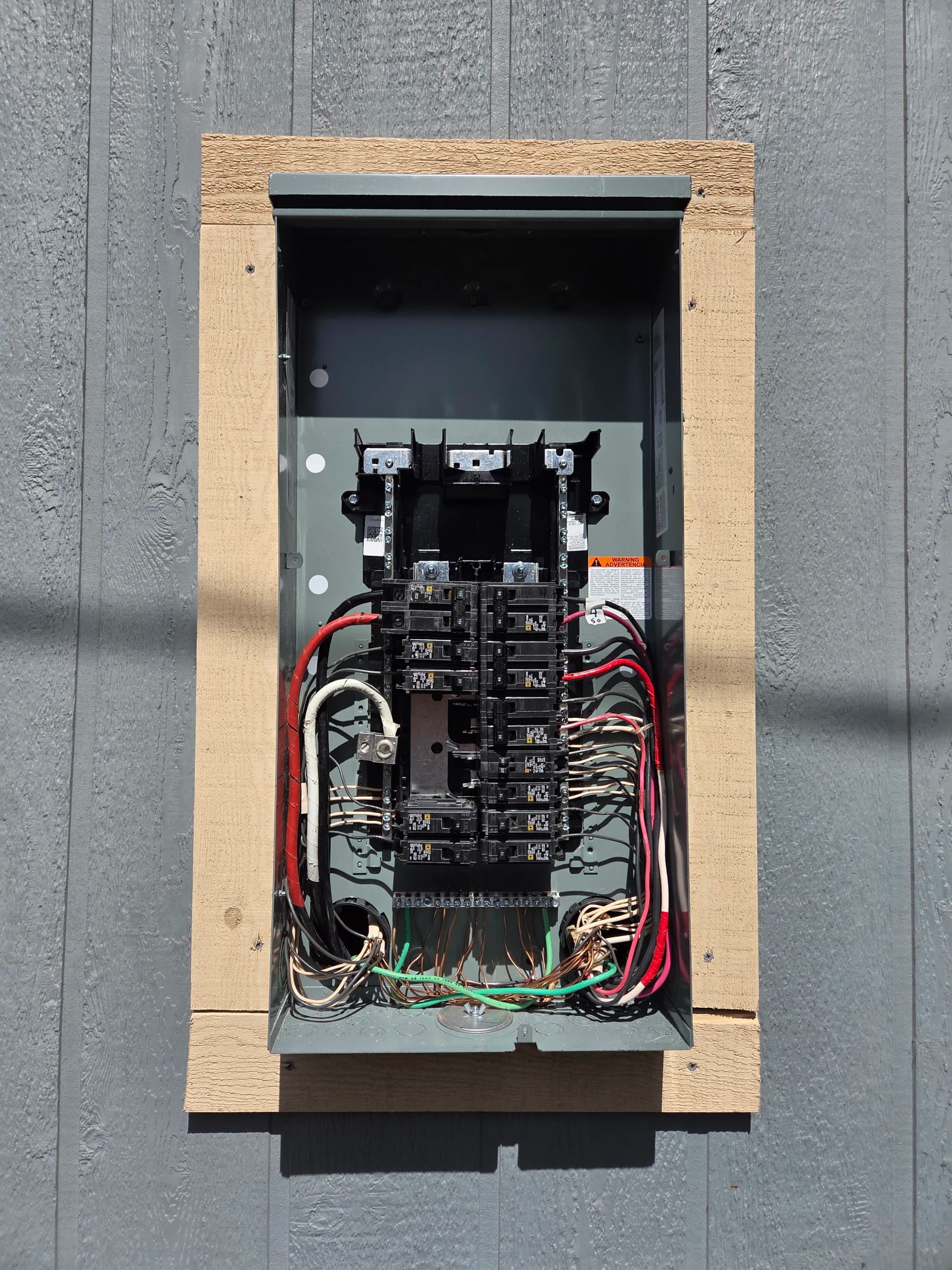
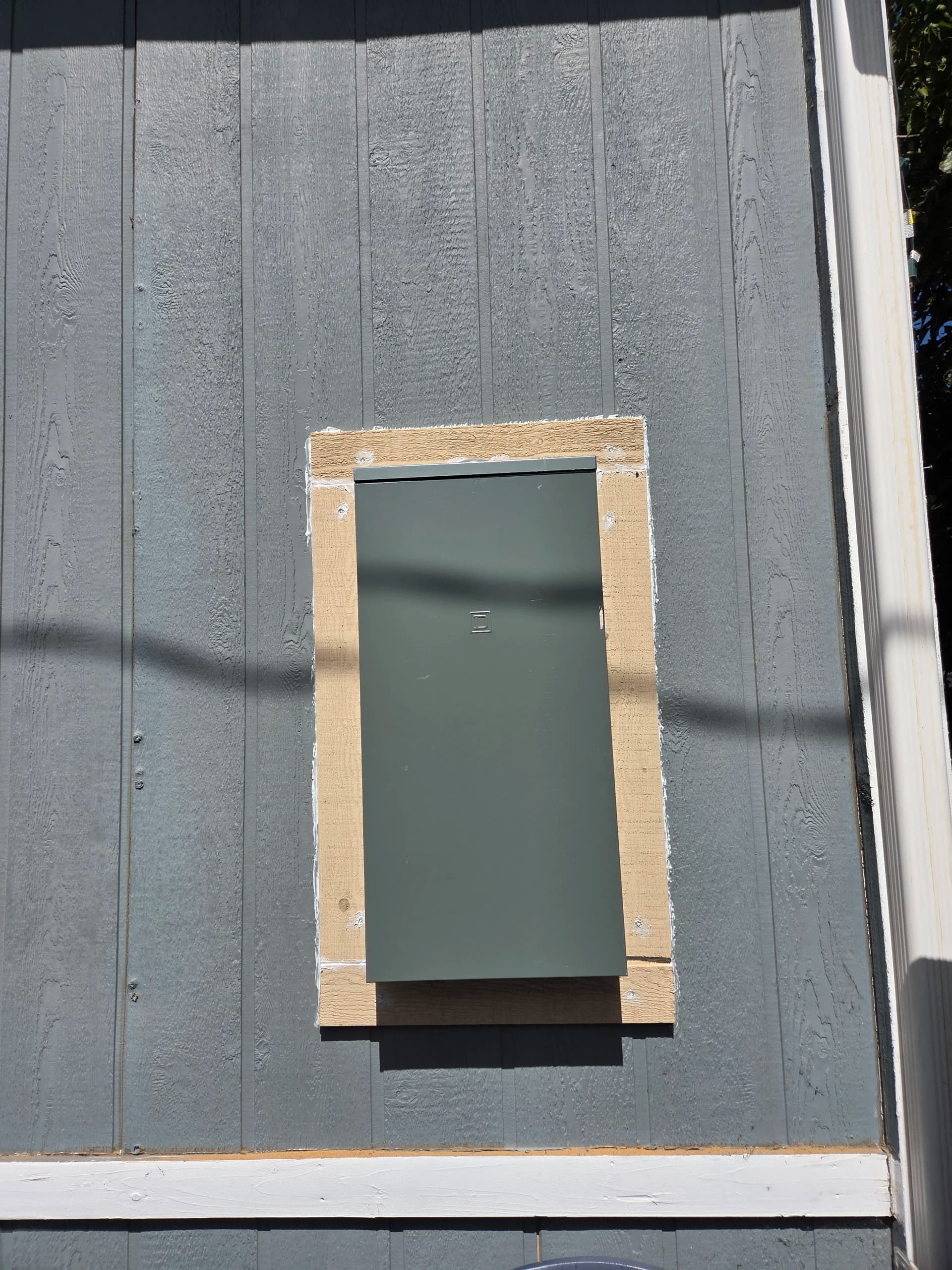
We pulled the old unit completely and installed a new, properly sized subpanel in its place. The new enclosure is significantly larger, giving every circuit room to breathe. The breakers are seated cleanly, the wiring is organized and landed correctly, and the new panel is properly framed into the exterior wall. Everything was done to code, start to finish.
The warning signs for this kind of failure are things most homeowners notice but don't always act on - a burning smell near the panel, a breaker that feels warm to the touch, or one that trips repeatedly without an obvious cause. Those aren't nuisances. They're your system telling you something is wrong. Getting it checked early is always cheaper and safer than dealing with an emergency.
Electrical panel upgrades and subpanel replacements are some of the most important work we do. When the panel fails, everything downstream is at risk - appliances, outlets, and most importantly, your home and family. If your panel is giving you any of those warning signs, don't put it off.